
皆の者、ご機嫌麗しゅう!我は、生成AI猫 エルシーじゃ😊
マイペースだとよく言われるのじゃ!
出身地:Adobe Firefly(画像生成AI)
Hello everyone! I am Elsy, the AI-generated cat 😊
People often say I do things at my own pace!
Place of origin: Adobe Firefly (AI image generator)

皆さん、初めまして!私は、オリバーです。
エルシーさんの助手猫です。
エルシーさんがよく暴走するので、暴走を止める役割をしています。
出身地:Adobe Firefly(画像生成AI)
Hello everyone! My name is Oliver.
I am Elsy’s helper cat.
Elsy sometimes gets out of control, so my job is to stop her.
Place of origin: Adobe Firefly (AI image generator)
宇宙のデータ分析を始めたいけれど、どのツールを使えばいいのか分からない…。
そんな方に最適なのが、天文学専用のPythonライブラリ「Astropy」です。宇宙データ分析の第一歩を踏み出したい方は、ぜひ参考にしてください。
- 宇宙のデータ分析で使う【Astropy】のインストール方法 | How to Install Astropy for Astronomical Data Analysis
- Astropyではどんなことができるの? | What Can You Do with Astropy?
- 1. 宇宙専用の「単位」と「計算機」 | Specialized units and calculators for astronomy
- 2. 天体の「住所(座標)」を変換するConverting the “address” (coordinates) of celestial objects
- 3. 本物の「観測データ」を読み書きする Reading and writing real observational data
- 4. 「正確な時刻」の管理 Managing precise astronomical time
- 5. データの「フィッティング(分析)」 Data fitting (analysis)
宇宙のデータ分析で使う【Astropy】のインストール方法 | How to Install Astropy for Astronomical Data Analysis
宇宙のデータ分析がしたいです!
気軽に使えるライブラリはないですか?
I want to analyze astronomical data!
Is there an easy-to-use library for that?
あるのじゃ!
Astropyというライブラリがおすすめじゃ!
下記のコマンドを実行してインストールするのじゃ!
Yes, there is!
I recommend a library called Astropy!
Run the following command to install it!
pip install astropy
Astropyではどんなことができるの? | What Can You Do with Astropy?
Astropyではどんなことができるのでしょうか?
What can you do with Astropy?
Astropyのライブラリを使ってできることを下記にまとめたのじゃ!
Here is a summary of what you can do with the Astropy library!
1. 宇宙専用の「単位」と「計算機」 | Specialized units and calculators for astronomy
普通の計算機では難しい、天文学特有の複雑な単位計算をミスなく行えます。
- 単位の自動変換: 「光年」を「キロメートル」に直したり、「時速」を「1年で進む距離」に変換したりできます。
- 計算ミス防止: $10 \text{ m} + 5 \text{ cm}$ のように、単位が違うもの同士を計算しようとすると自動で揃えて(あるいはエラーを出して)くれます。
- 物理定数: 「光の速さ」「太陽の重さ」などの最新の正確な値がいつでも呼び出せます。
Astropy allows you to perform complex astronomy-specific unit calculations accurately—something that is difficult with a normal calculator.
- Automatic unit conversion: You can convert units such as “light-years” to “kilometers,” or transform “speed per hour” into “distance traveled in one year.”
- Error-free calculations: If you try to calculate values with different units, such as 10 m + 5 cm, Astropy automatically converts them to consistent units (or raises an error when appropriate).
- Physical constants: You can access up-to-date and precise values for constants like the speed of light or the mass of the Sun at any time.
2. 天体の「住所(座標)」を変換するConverting the “address” (coordinates) of celestial objects
星が空のどこにあるかを計算するのは非常に複雑ですが、これを自動化します。
- 座標変換: 「赤経・赤緯(宇宙の住所)」を「方位・高度(東京から見た場所)」に一瞬で変換できます。
- 名前で検索: 「ベテルギウス」と入力するだけで、その星の正確な座標データを取得できます。
Calculating where a star is located in the sky is extremely complex, but Astropy automates this process.
- Coordinate conversion: It can instantly convert celestial coordinates such as right ascension and declination (the “address” of an object in space) into altitude and azimuth (how it appears from a location like Tokyo).
- Search by name: Simply entering a name like “Betelgeuse” allows you to retrieve the star’s precise coordinate data.
3. 本物の「観測データ」を読み書きする Reading and writing real observational data
NASAなどの研究機関が使っている**「FITS」**という特殊なデータ形式を、ExcelやCSVのように簡単に扱えます。
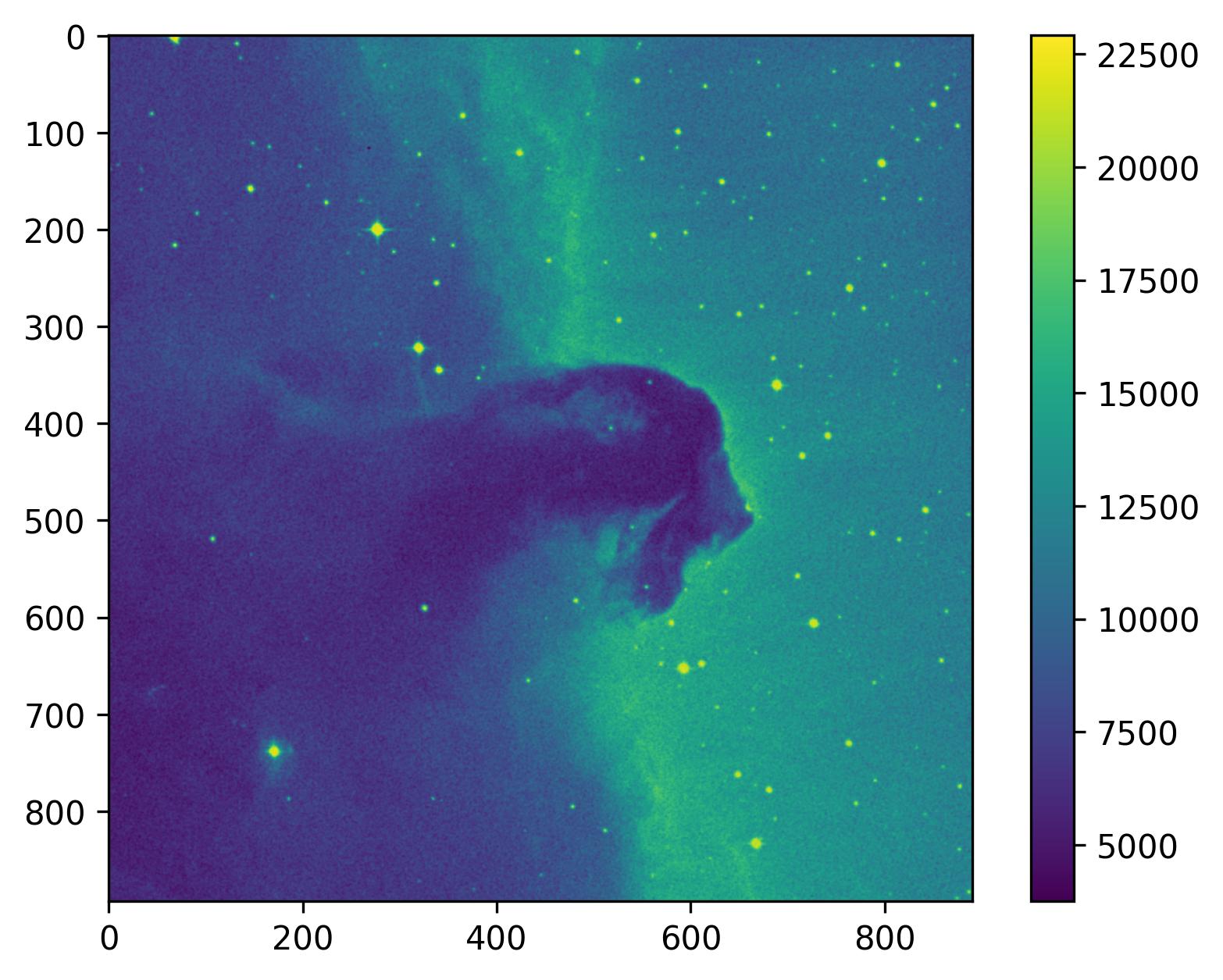
- 画像データの展開: 望遠鏡が撮った生のデータを、Pythonの配列(NumPy)として取り出し、画像として表示できます。
- カタログ操作: 数万個の星が載ったリストから、特定の明るさの星だけをフィルタリングできます。
Astropy allows you to handle the special data format called FITS—used by NASA and other research institutions—as easily as working with Excel or CSV files.
- Image data processing: You can extract raw telescope data as Python (NumPy) arrays and display them as images.
- Catalog operations: From a list containing tens of thousands of stars, you can filter out only those with specific brightness levels.
4. 「正確な時刻」の管理 Managing precise astronomical time
宇宙の計算には、私たちが普段使う時計(UTC)以外の、より精密な時刻系が必要です。
- 特殊な時刻の計算: 地球の自転のズレを考慮した時刻や、「ユリウス日」といった天文学特有の時刻をミリ秒単位で相互変換します。
Astronomical calculations require more precise time systems than the standard UTC we use in daily life.
- Specialized time calculations: Astropy can convert between astronomy-specific time systems—such as those that account for variations in Earth’s rotation or Julian dates—with millisecond precision.
5. データの「フィッティング(分析)」 Data fitting (analysis)
観測されたバラバラのデータに対して、数式(モデル)を当てはめて法則性を見つけます。
- ノイズ除去: 観測データに含まれるノイズを取り除き、星の本当の明るさや形を推定します。
- シミュレーション: 物理的な数式を使って、銀河の形や光の広がり方をシミュレートできます。
Astropy allows you to fit mathematical models to scattered observational data to uncover underlying patterns.
- Noise reduction: You can remove noise contained in observational data to estimate the true brightness or shape of a star.
- Simulation: Using physical equations, you can simulate the structure of galaxies or how light spreads.
このブログは、運営者の趣味兼勉強用ブログです。
情報が間違っている可能性があるため、ご注意ください。
下記のブログと同じ運営者のため、同じ生成AI猫のキャラクターが登場します。
This blog is a hobby and study blog run by the owner. Please note that some information may be incorrect.
The same AI cat characters appear here because this blog is run by the same owner as the blog below.
https://generative-ai-beginner-navi.com/
コメント